Clothing without harmful chemicals
A closer look at how our fibres are treated during production.
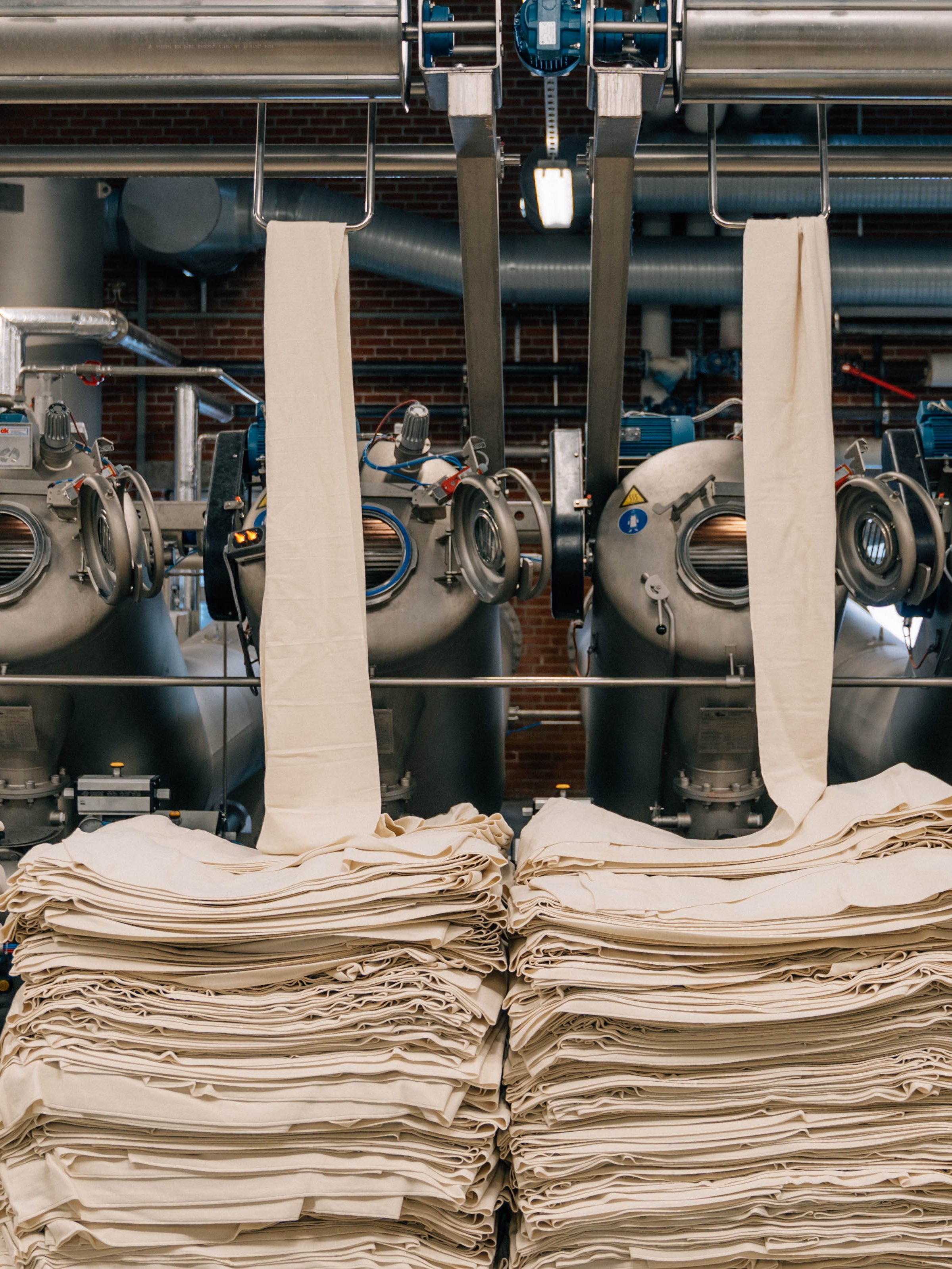
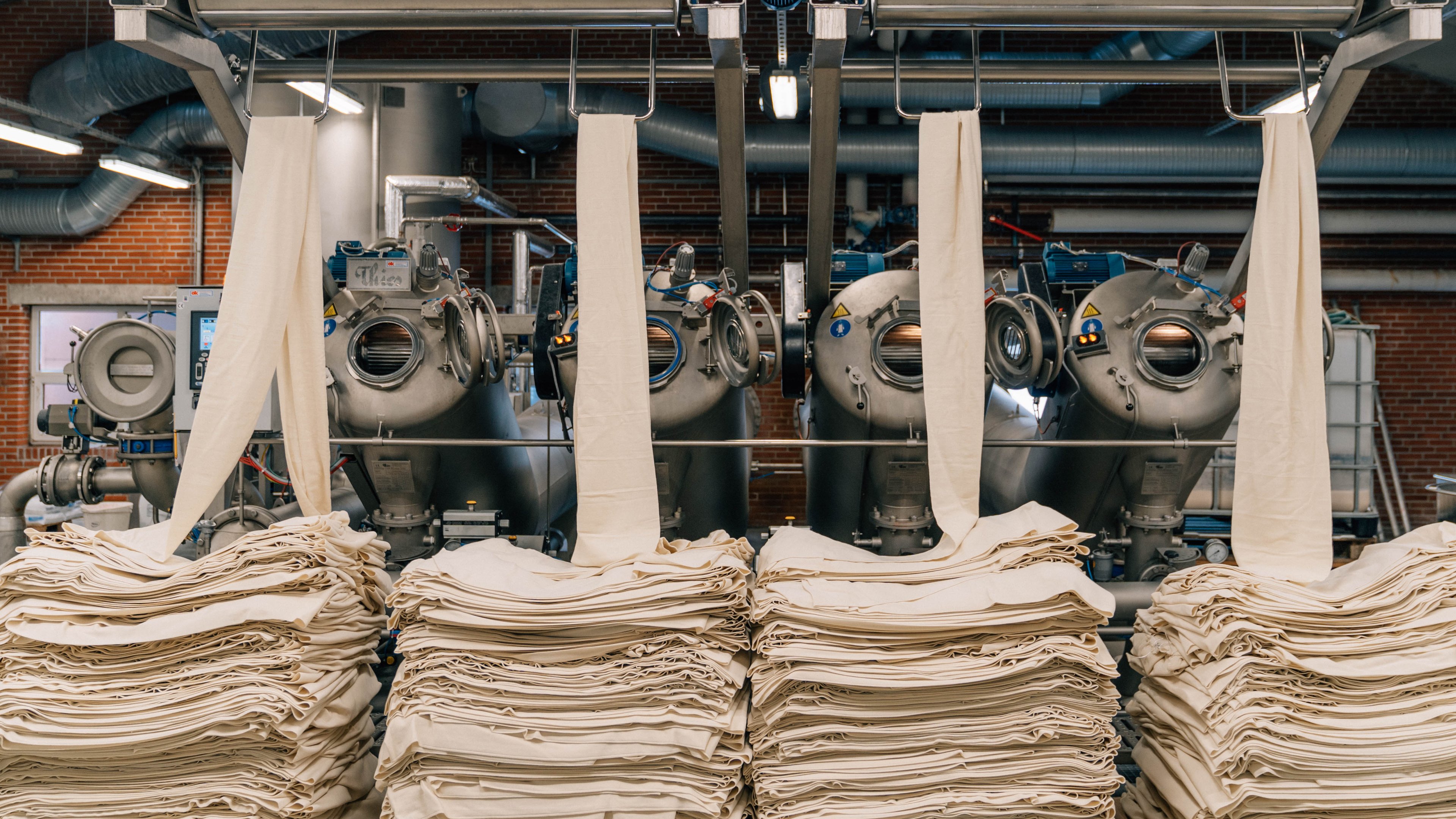
There are actually major differences between the types of wool – not only in terms of quality, but also – and perhaps more importantly – how the fibres are treated during production.
At our dyehouse, we do not use the environmentally taxing treatment, known as Superwash, nor do we use heavy metals in our production.
Instead of using a Superwash treatment to soften the untreated merino wool fibres, we use an 10-hour long dye and enzyme treatment. The enzyme treatment works by attacking peptide bonds to break down proteins. This gently removes the itchy hairs and softens the wool fibres, while leaving all the natural benefits of the merino wool completely intact – so you get an extraordinarily soft, clean, and light product.
This enzyme treatment makes our wool unique – because it is produced without chlorine and plastic (Superwash). It does, however, make our merino wool products more sensitive to sudden temperature changes and rough handling.
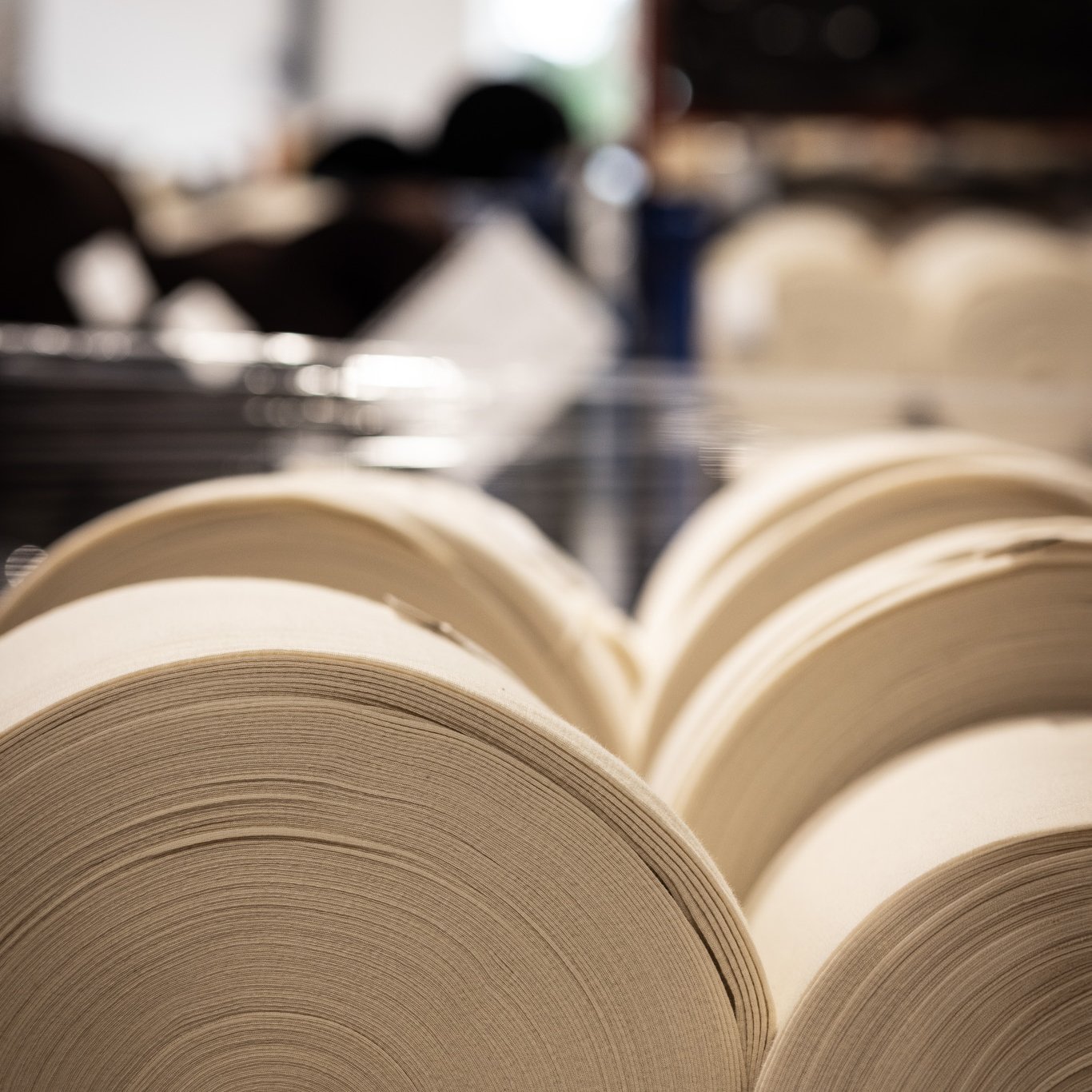
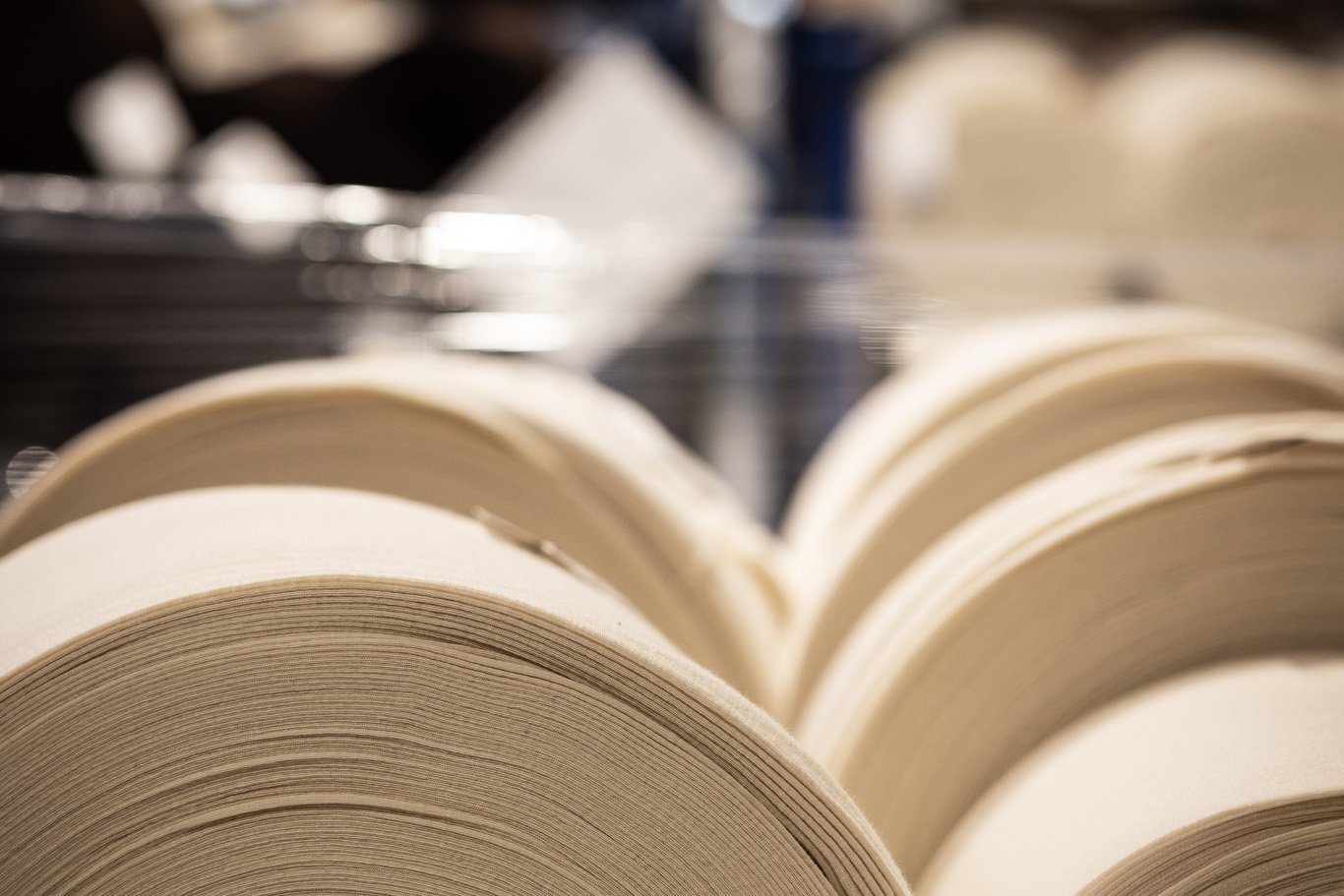
So, to keep the wonderful, natural properties of the merino wool fibres intact, make sure you follow the washing instructions on the care label inside your garment or visit our washing guide here to find washing instructions for your DILLING wool.
Most of the products made from our signature wool quality – the 1x1, 8x1, and multi rib - have received our unique 10-hour long enzyme treatment for an incredibly soft and itch-free product.
Instead of using a Superwash treatment to soften the untreated merino wool fibres, we use an 10-hour long dye and enzyme treatment.
EXP treatment
Our merino wool/silk products have received an EXP treatment – an alternative to Superwash - without the use of chlorine, which encapsulates the itchy hairs of the merino wool and leaves the wool super soft and itch free.
Naturetexx® Plasma treatment
All our single wool products, 4x2 products, and wool terry products have received a Naturetexx® Plasma treatment – a shock treatment using only electricity and air to process the wool fibres. Essentially, this leaves you with a durable and incredibly soft product.