Join us in Klitmøller, Denmark
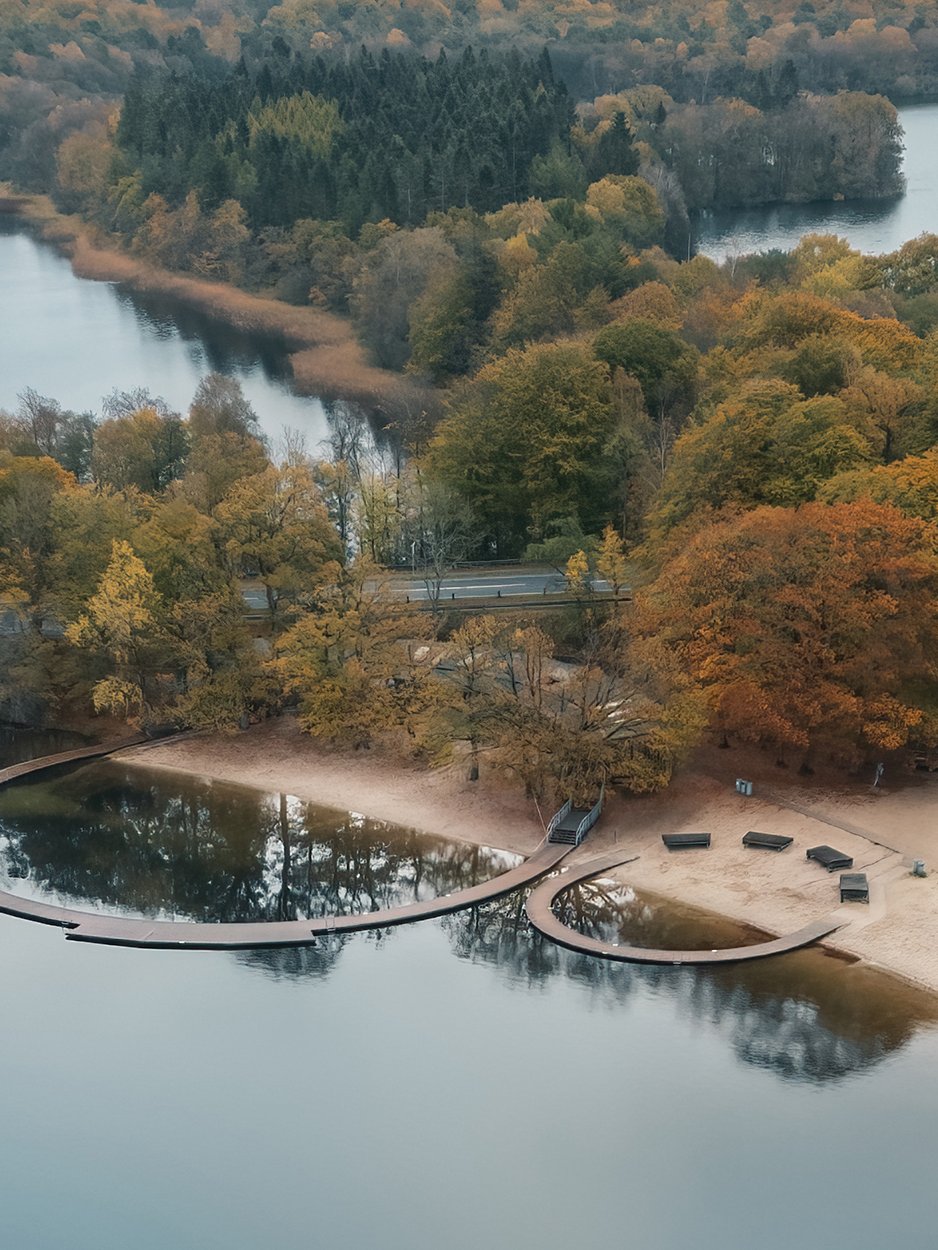
On the west coast of Jutland, with National Park Thy right on the doorstep and views of the North Sea, you’ll find the small town of Klitmøller. Around 1,200 people live here – many of them surfers.
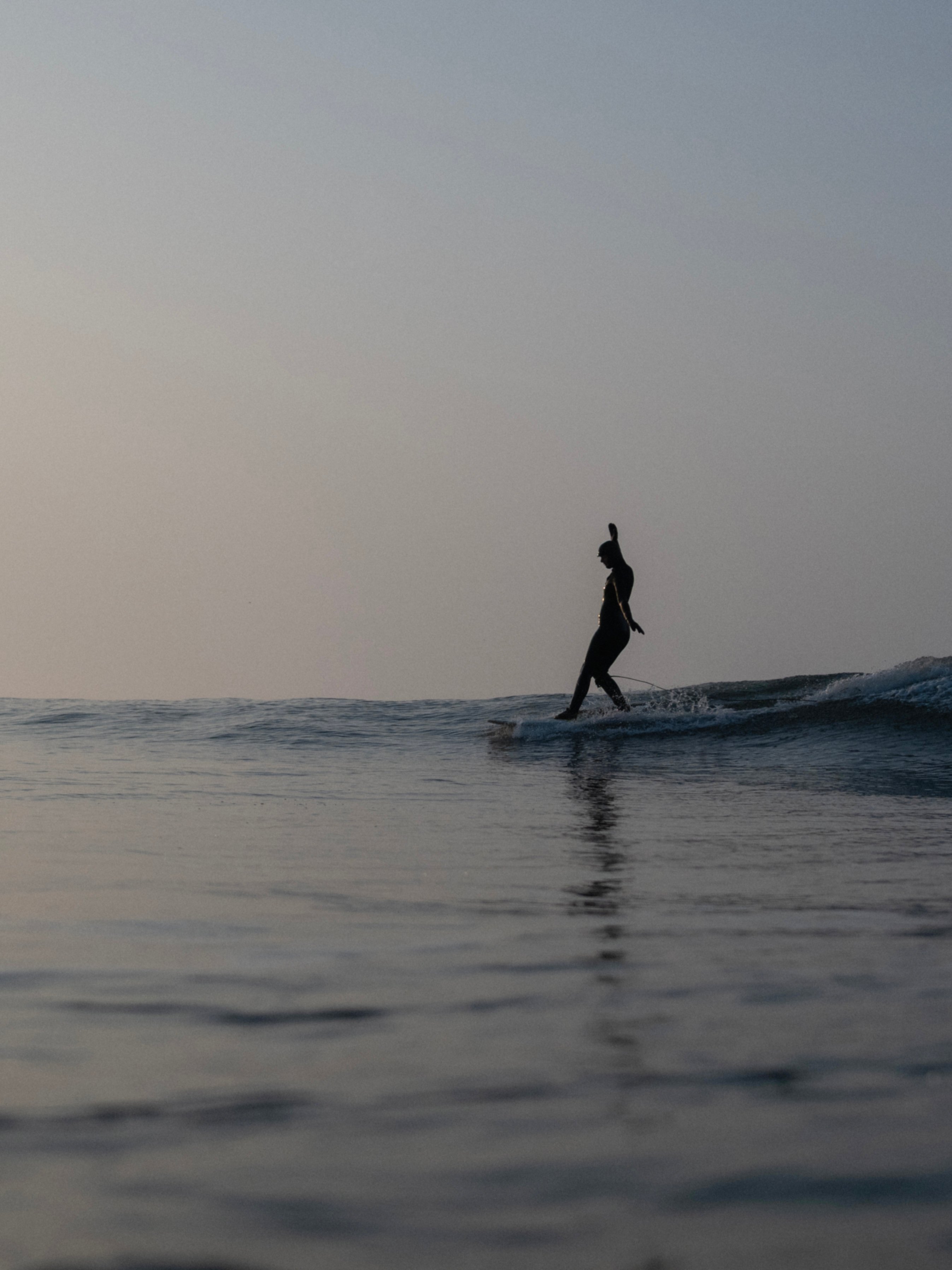
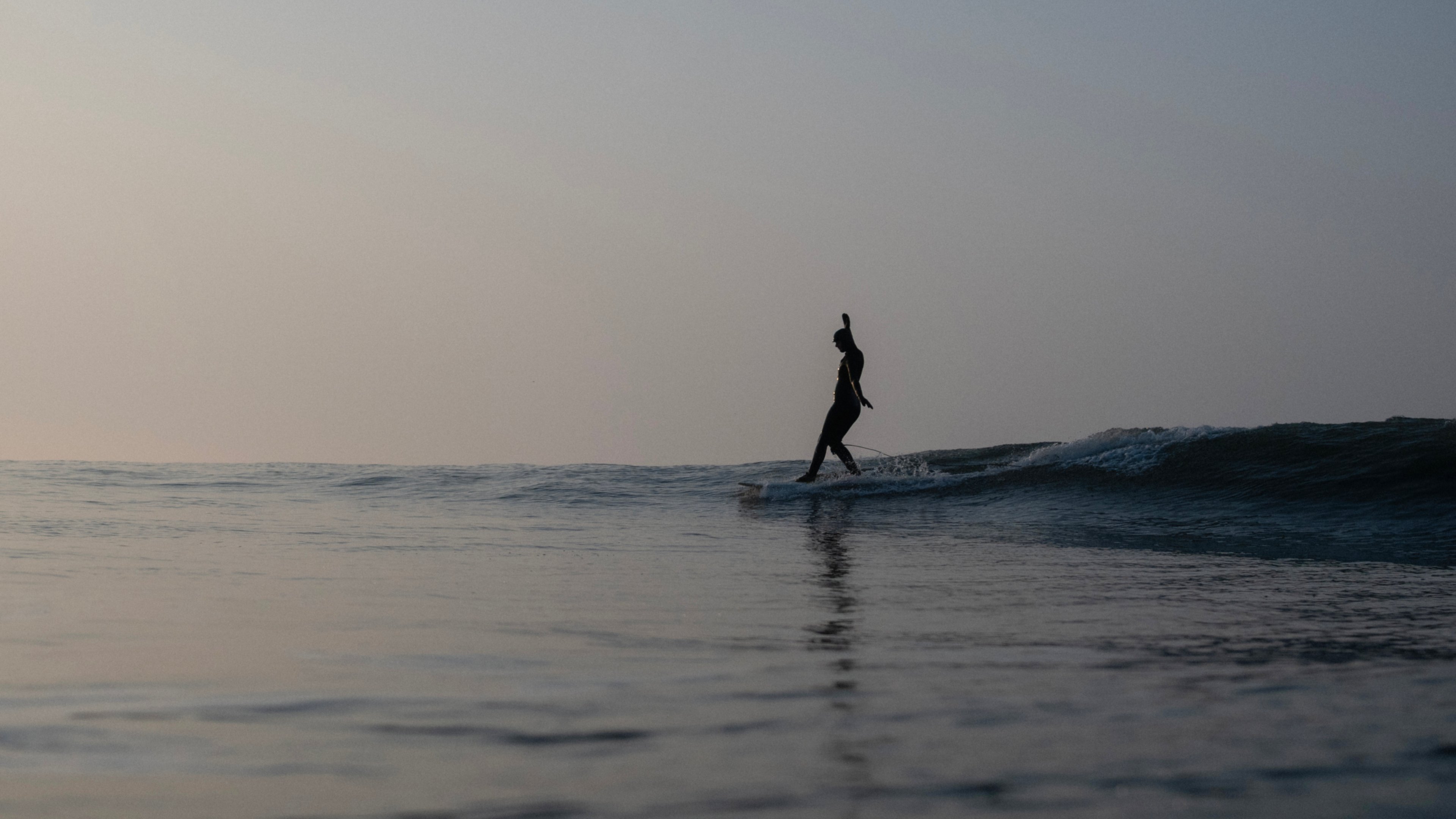
Every year, the number of people in this Danish coastal town multiplies as professional surfers and curious beginners from around the world travel to Klitmøller to challenge the waves of the North Sea. The strong winds and consistent, powerful waves along the coastline create ideal conditions for water sports such as windsurfing, surfing and SUP.
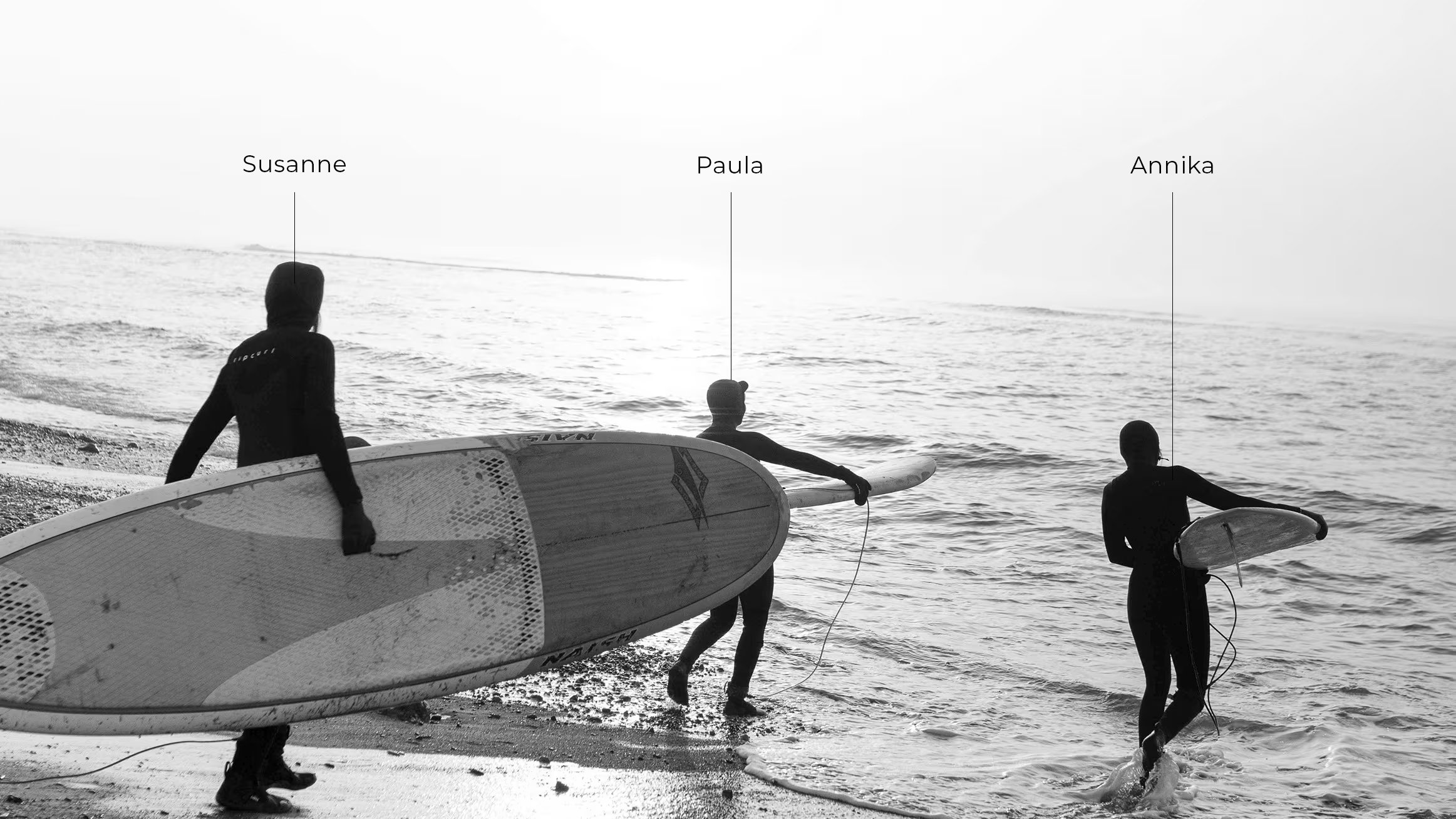
We’ve travelled to Klitmøller to meet three local surfers – Susanne, Annika and Paula – to gain insight into the town’s unique sense of community and surf culture, as well as what it’s like to live in a coastal town at a slower pace, with nature close to everyday life.
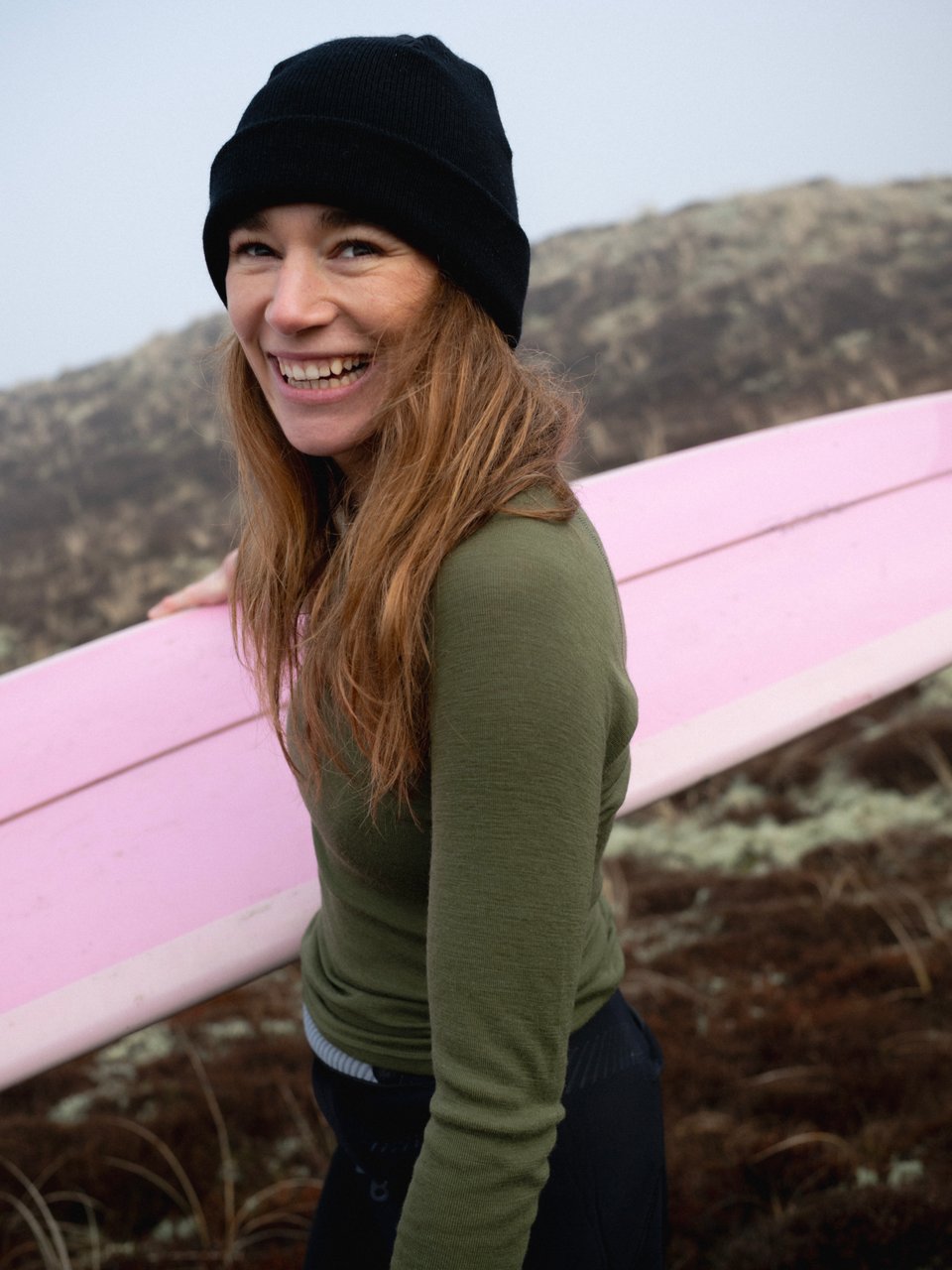
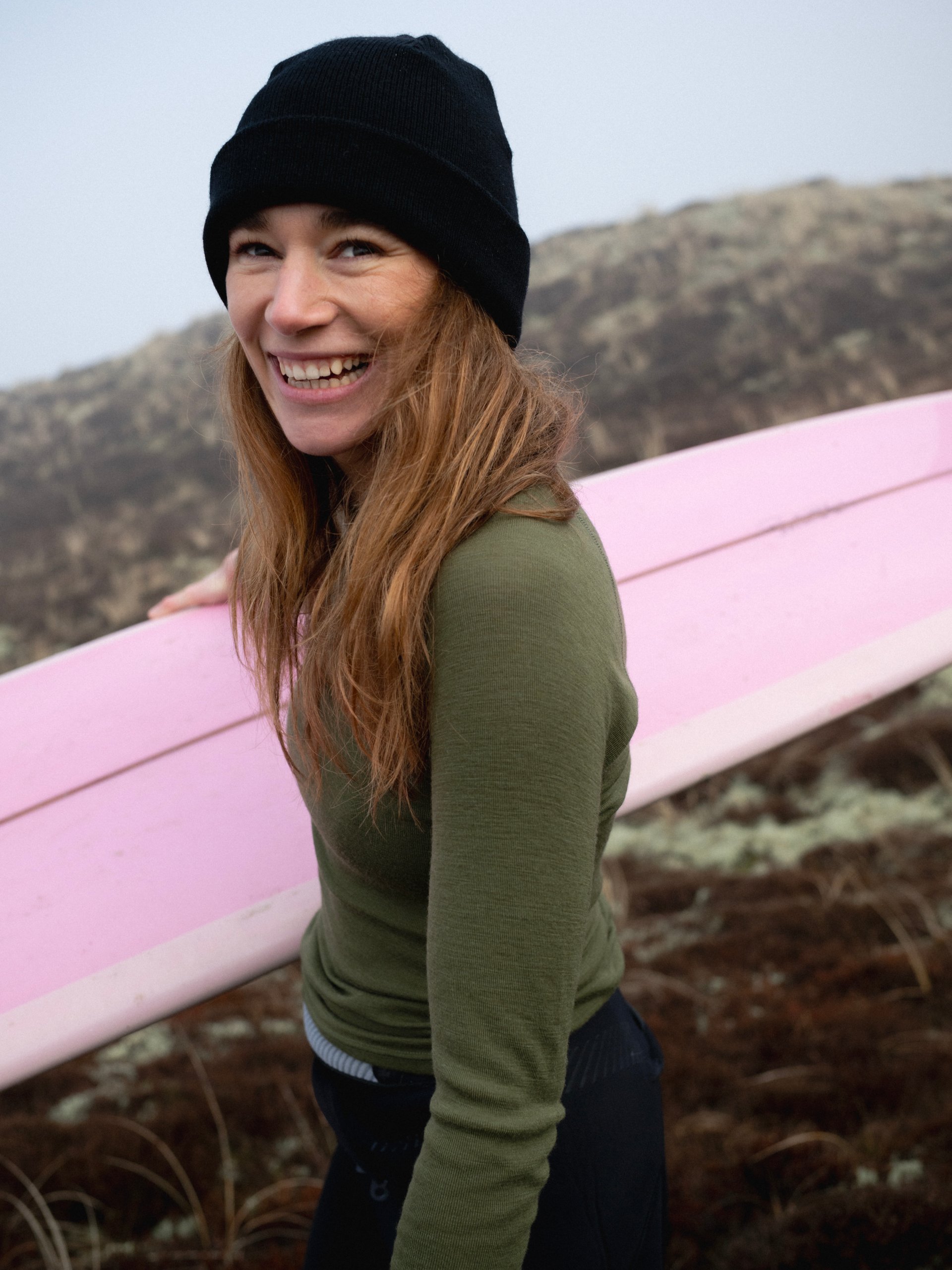
Paula, 26,
is a former member of the Danish national surfing team.
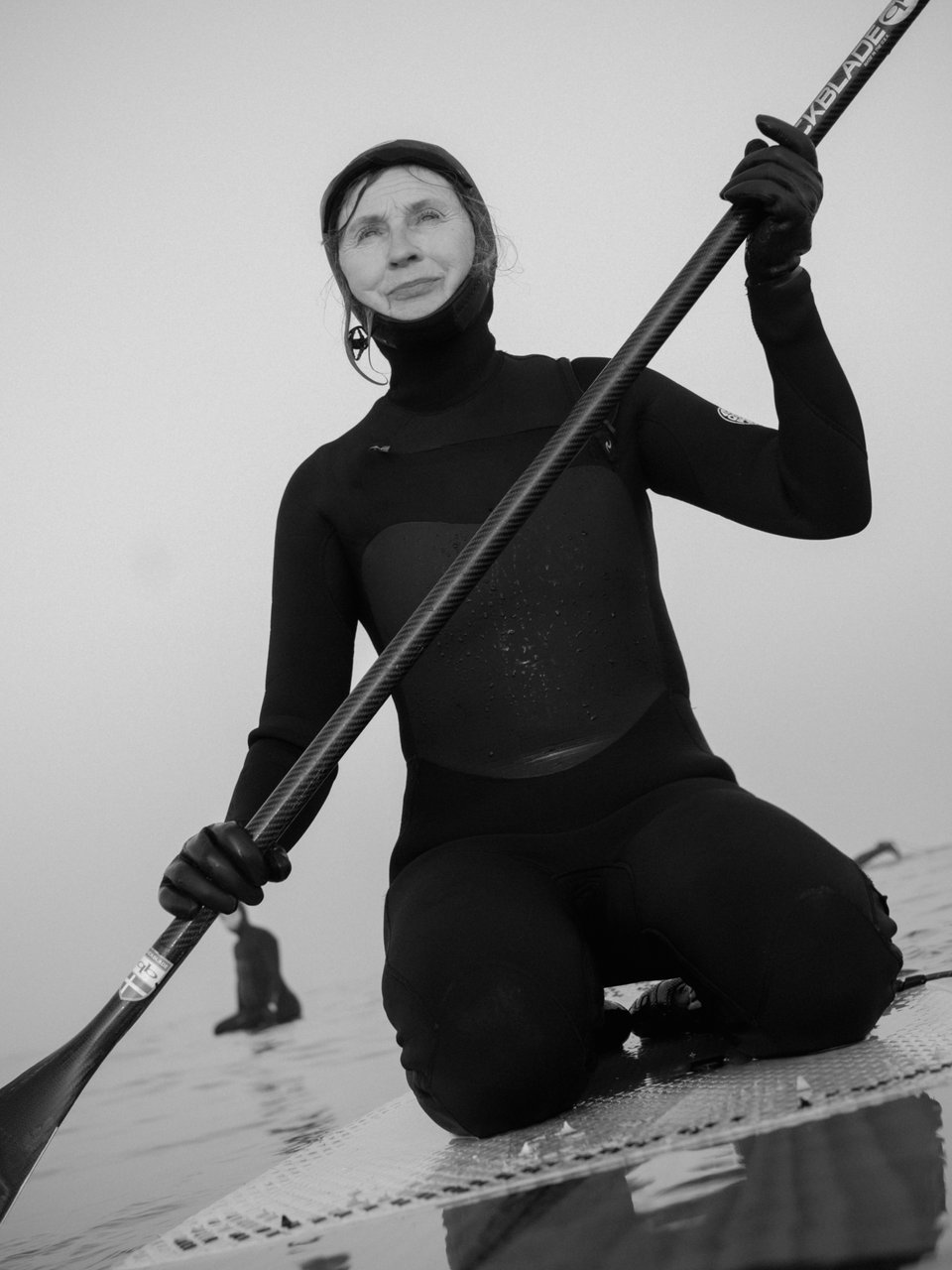
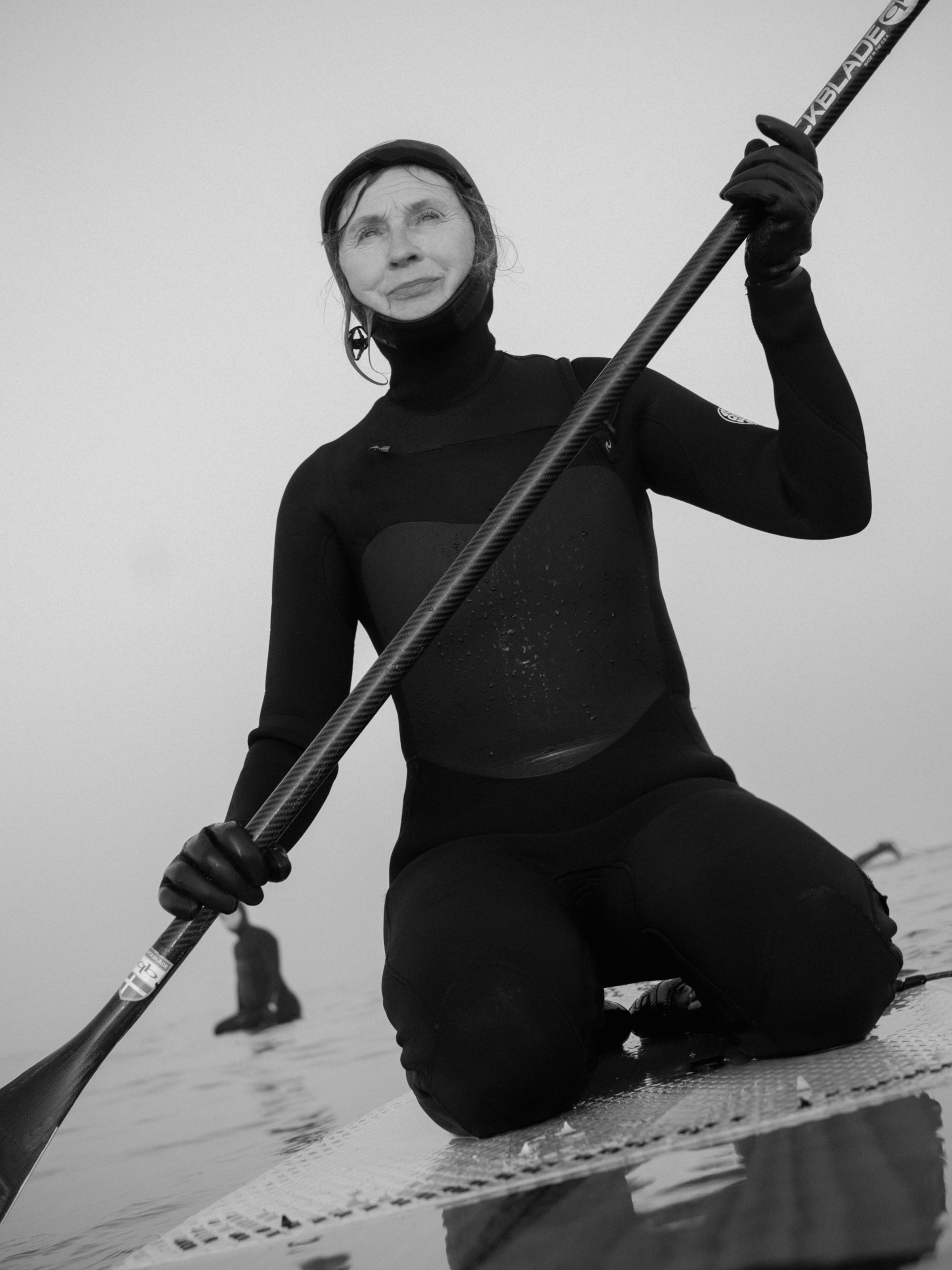
Susanne, 63,
has lived in Klitmøller for more than 30 years. Together with her family, she has helped shape and develop the local surf community.
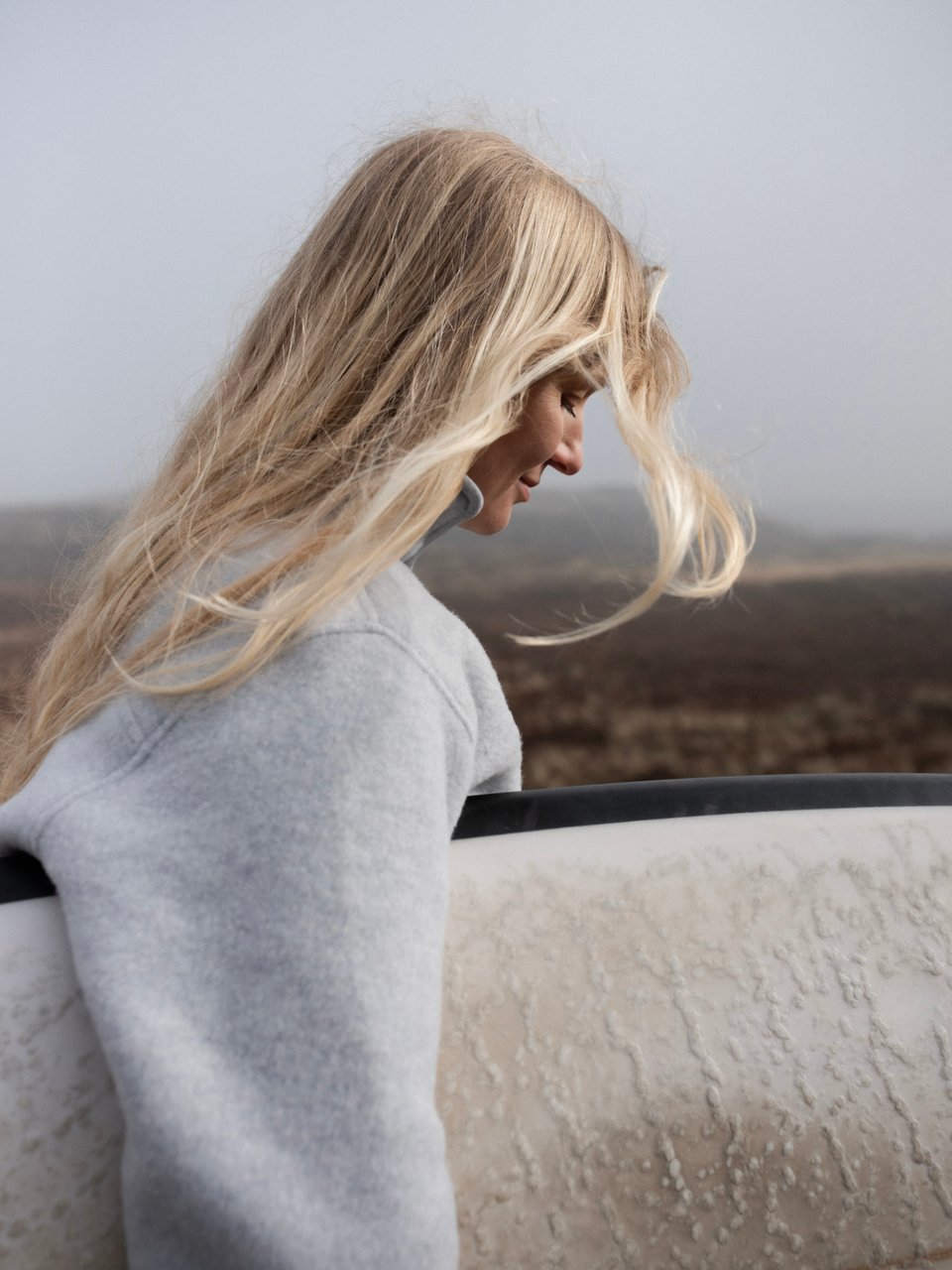
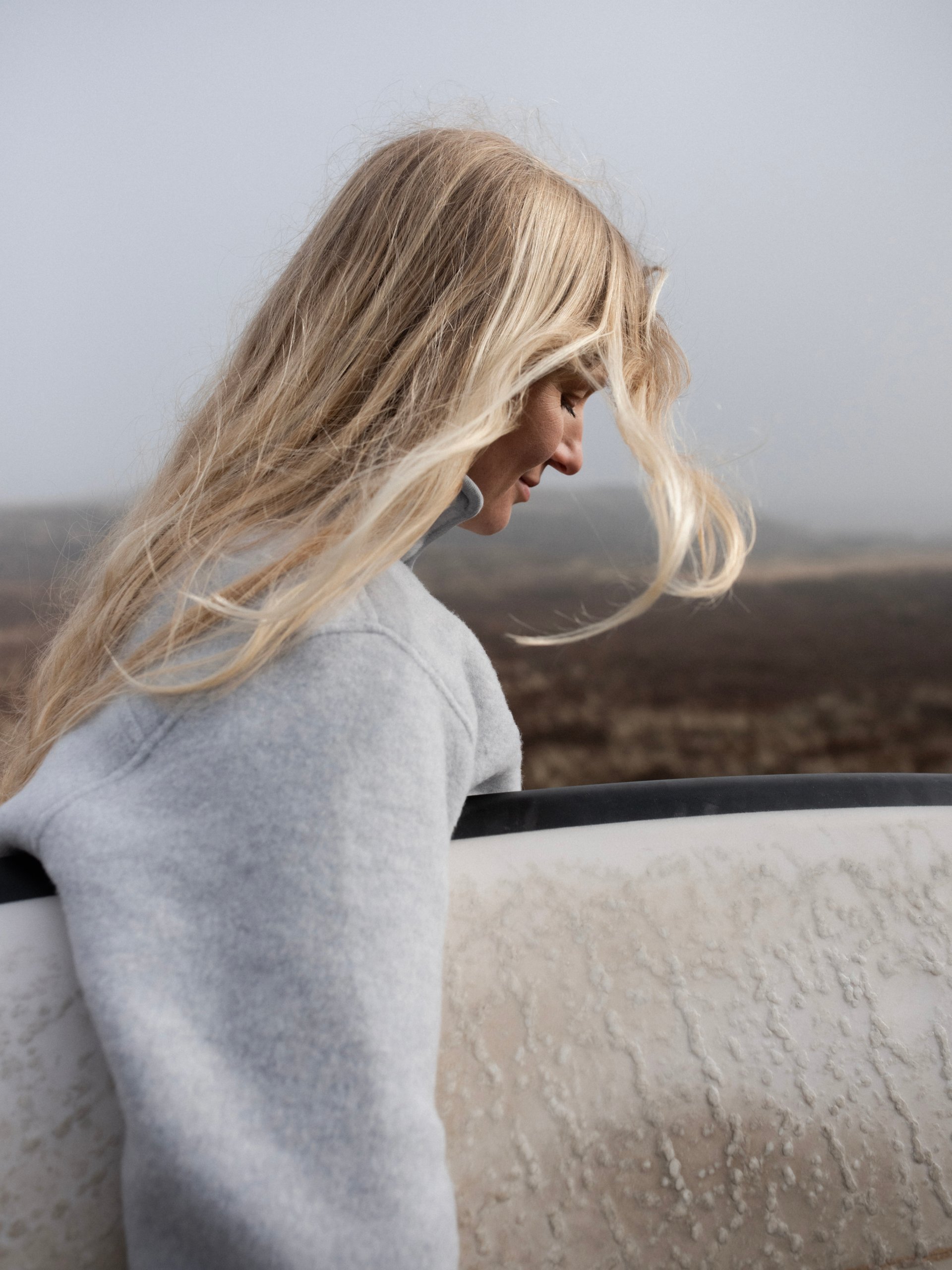
Annika, 34,
moved from Copenhagen to Klitmøller to surf and start a family on the west coast.
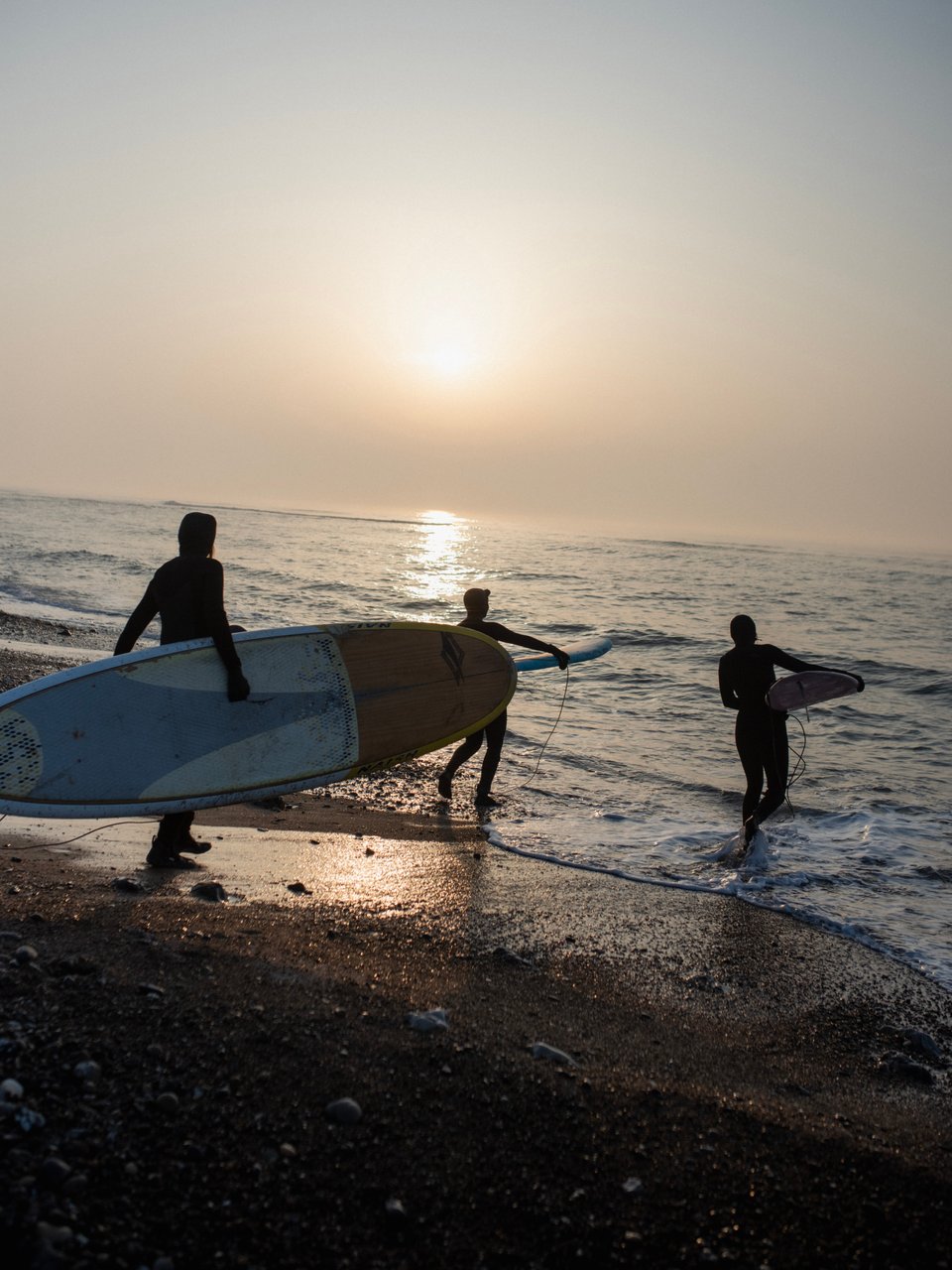
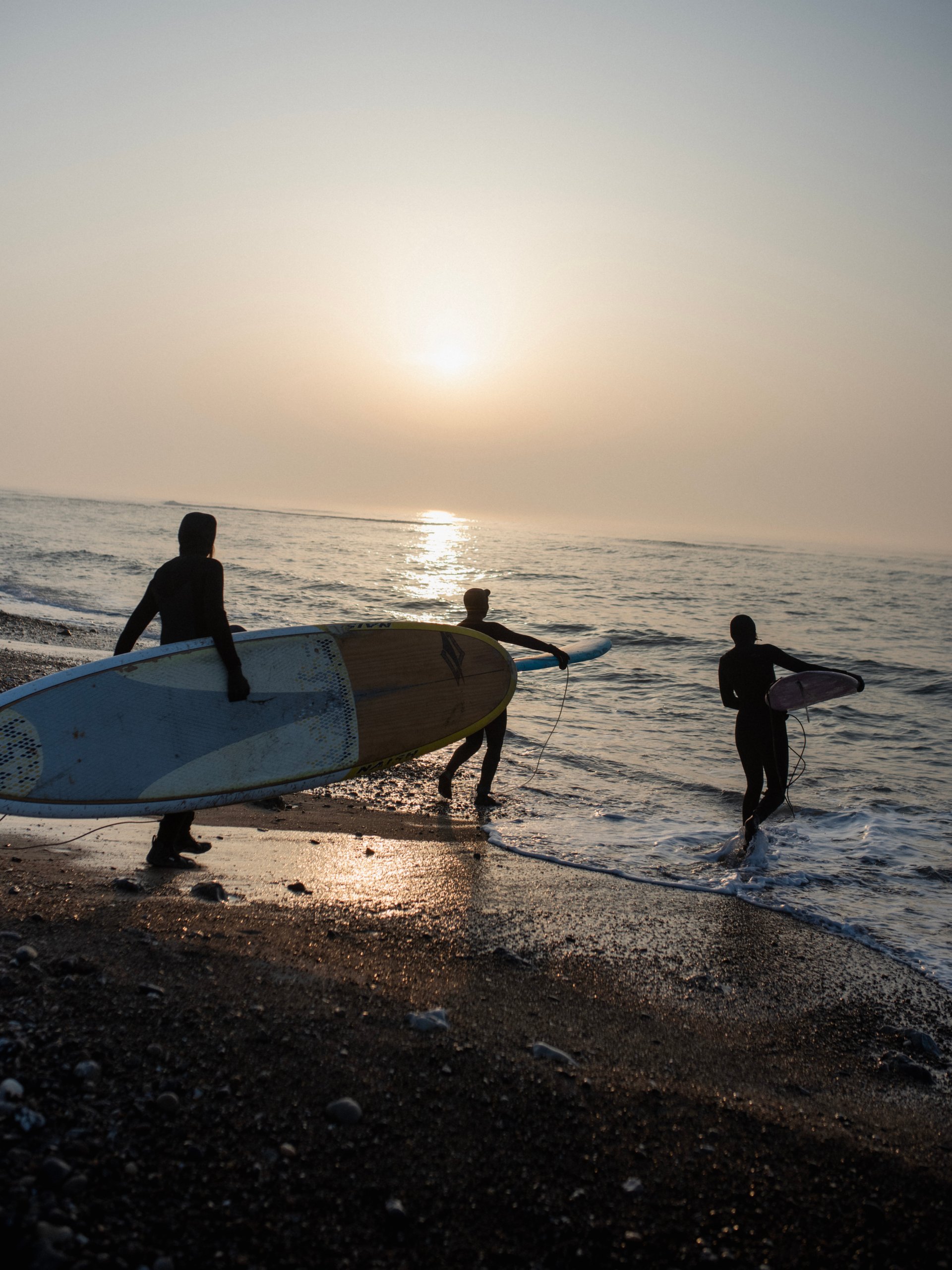
What makes Klitmøller unique is the strong sense of togetherness. If it gets dark and there is still someone in the water, you don’t leave until the last person is out. You look out for each other.
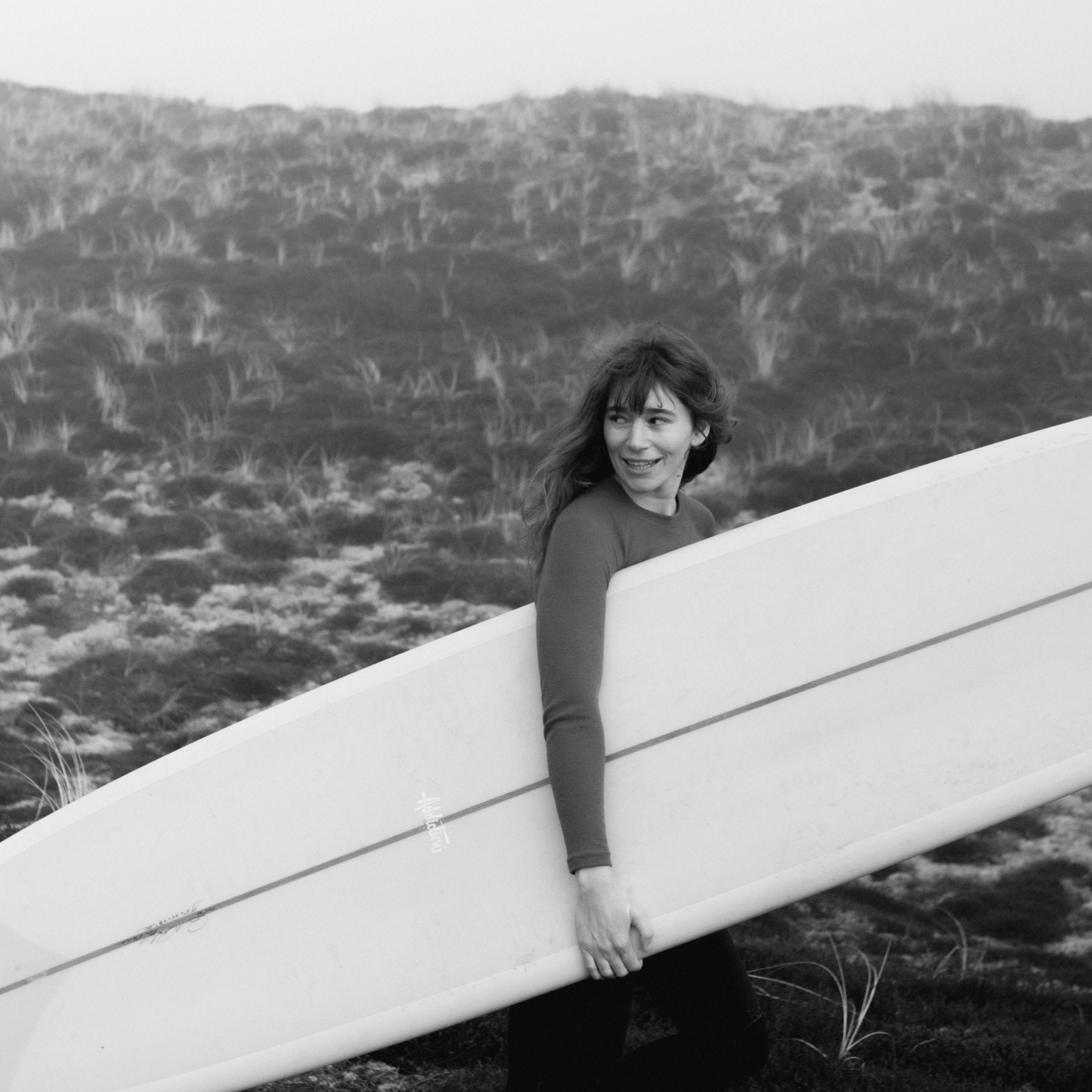
What makes Klitmøller a special place?
Susanne: Klitmøller is diverse, but there’s also a strong sense of openness. People care about one another, and you can be yourself. You can go shopping in your pyjamas or your wetsuit if you like.
The surf club is a central meeting point for many families in the town – both children and adults. Adults can also learn to surf and play – there’s really no age limit. I think that’s very typical of Klitmøller: age doesn’t matter. It’s more about who you are, what you want and how you treat others.
The surf culture here is truly unique. I’ve lived and surfed in Klitmøller for more than 30 years, and as a family, we’ve helped bring many children into the water and played along the shoreline. We’ve witnessed the development – both of the people and the town. There is an authenticity about the place that is important to protect. We must remember what Klitmøller was, so we take care of what we all hold dear.
Annika: The town is remote – and that creates a special sense of community. I think that if it were not so remote, it would be very different, because the people who live here have actively chosen to. That creates a community of like-minded people, which is very special.
Paula: What makes Klitmøller unique is the strong sense of togetherness. If it gets dark and there is still someone in the water, you don’t leave until the last person is out. You look out for each other.
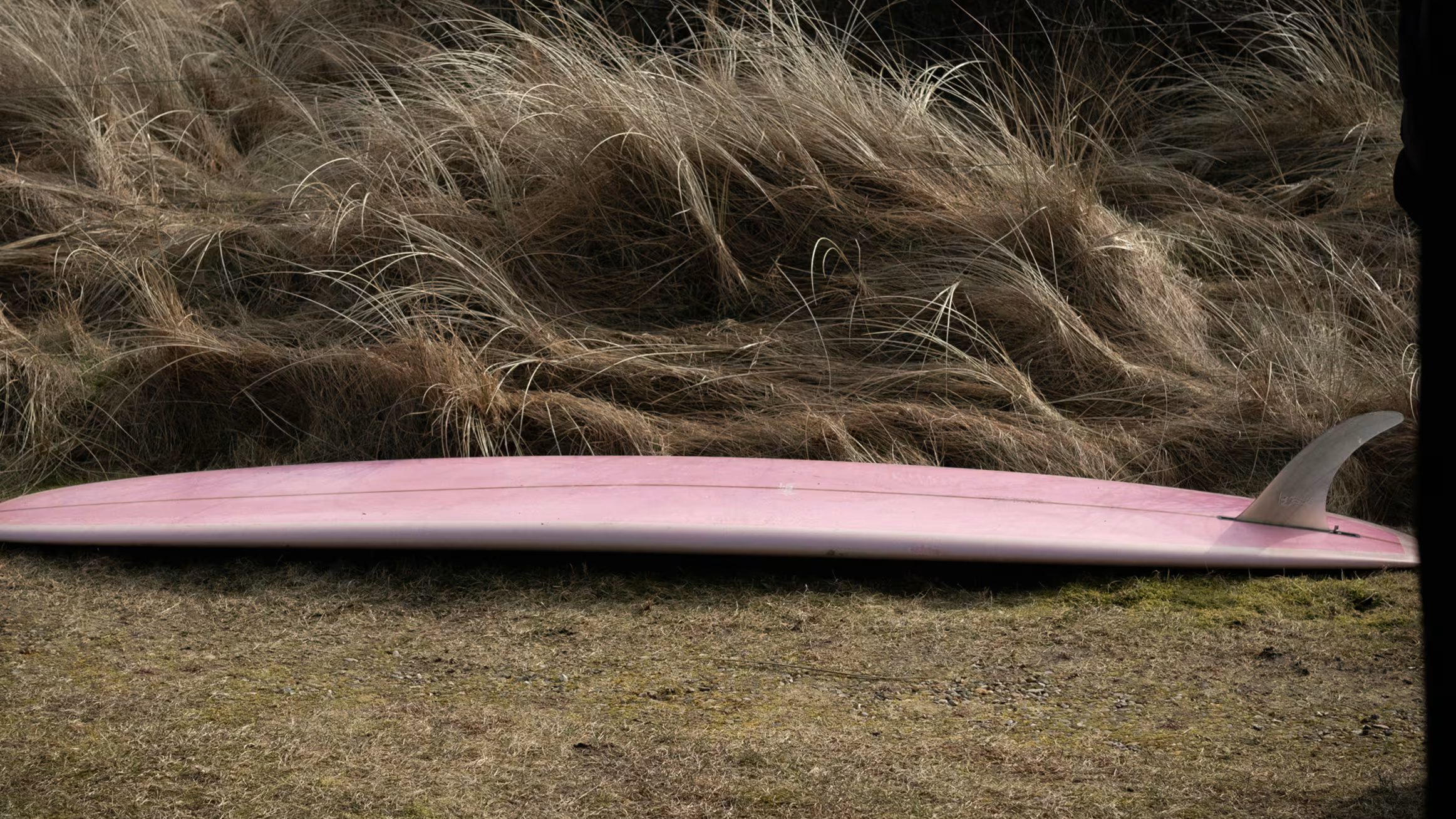
What is it like to live so close to nature?
Susanne: Many things come together when you live close to the sea with the National Park just behind you. These are powerful natural elements that have shaped the landscape and shape us as people.
Annika: I’ve never seen anything like it before. The dunes and the sea – it’s raw, yet incredibly beautiful.
Paula: With the sea so close, it’s natural that people meet by the water. There’s fishing, and then there are those who surf or simply swim. There’s a shared connection around the sea, which I really appreciate.
What draws you to surfing?
Susanne: The sea and the light draw me in. I’m probably more of a summer surfer – it’s the ultimate freedom for me. When it’s summer and I can have bare feet and be one with the elements. In the water. On the water. By the water. I feel so alive when I’m out there, and I’ve had so many powerful experiences there.
I’m also drawn to the playfulness. It might be playing with the waves or with friends. Sometimes we have what we call a “party wave”, where we ride the wave together. Occasionally, I’m lucky enough to do that with my youngest son, and it makes me incredibly happy – it does not get better than that.
Annika: I feel free out there. I remember the first time I caught what we call a “green wave” – a clean, unbroken wave. I was completely hooked on that feeling.
Paula: It can also feel almost meditative. You get away from your thoughts and can truly relax.
But mainly, it’s because it’s fun to be on the water. I’m always in a good mood afterwards – even on a rainy day. It’s just wonderful to get into the water. It might be a day when you wouldn’t normally go outside, but you do it anyway because you know how it affects your mood.
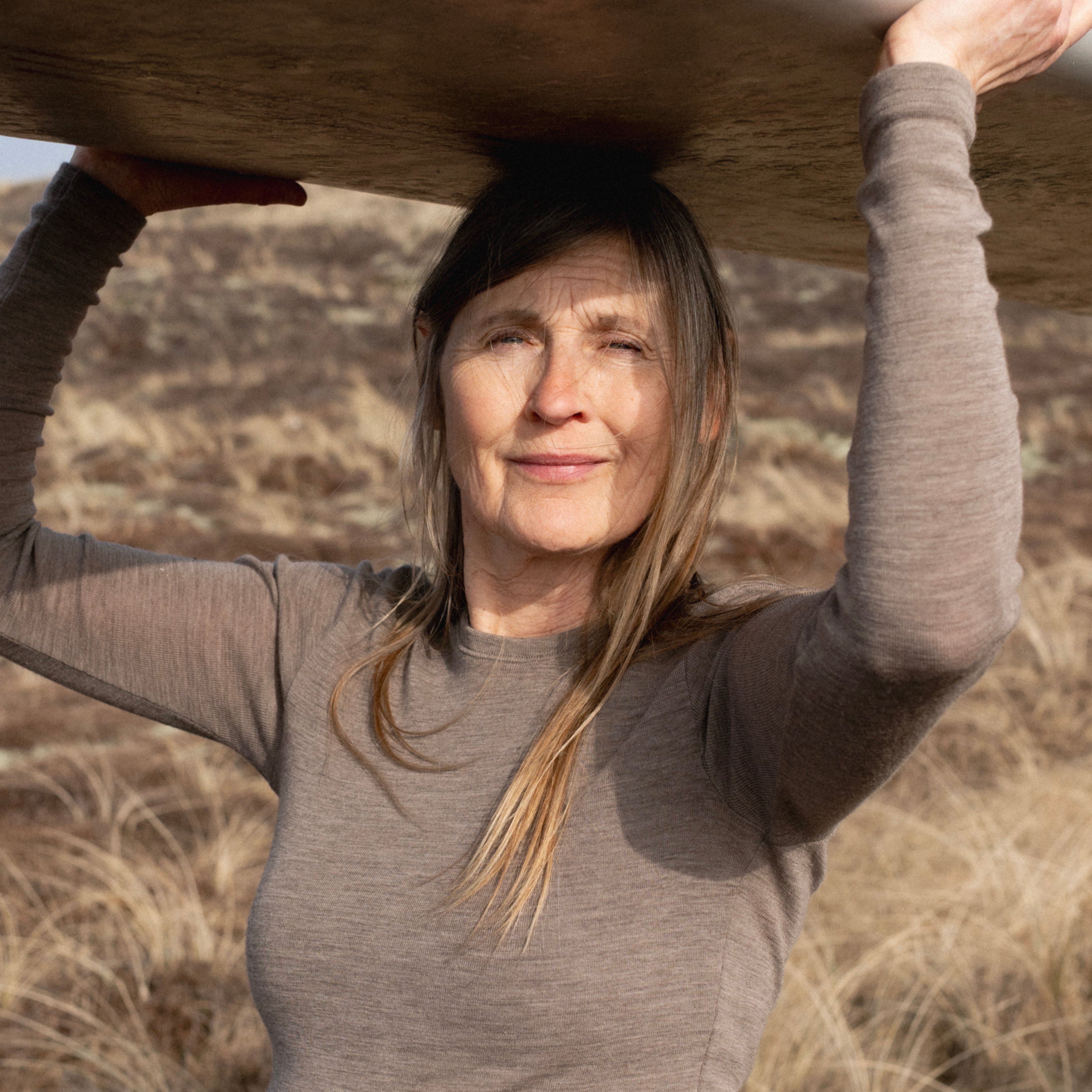
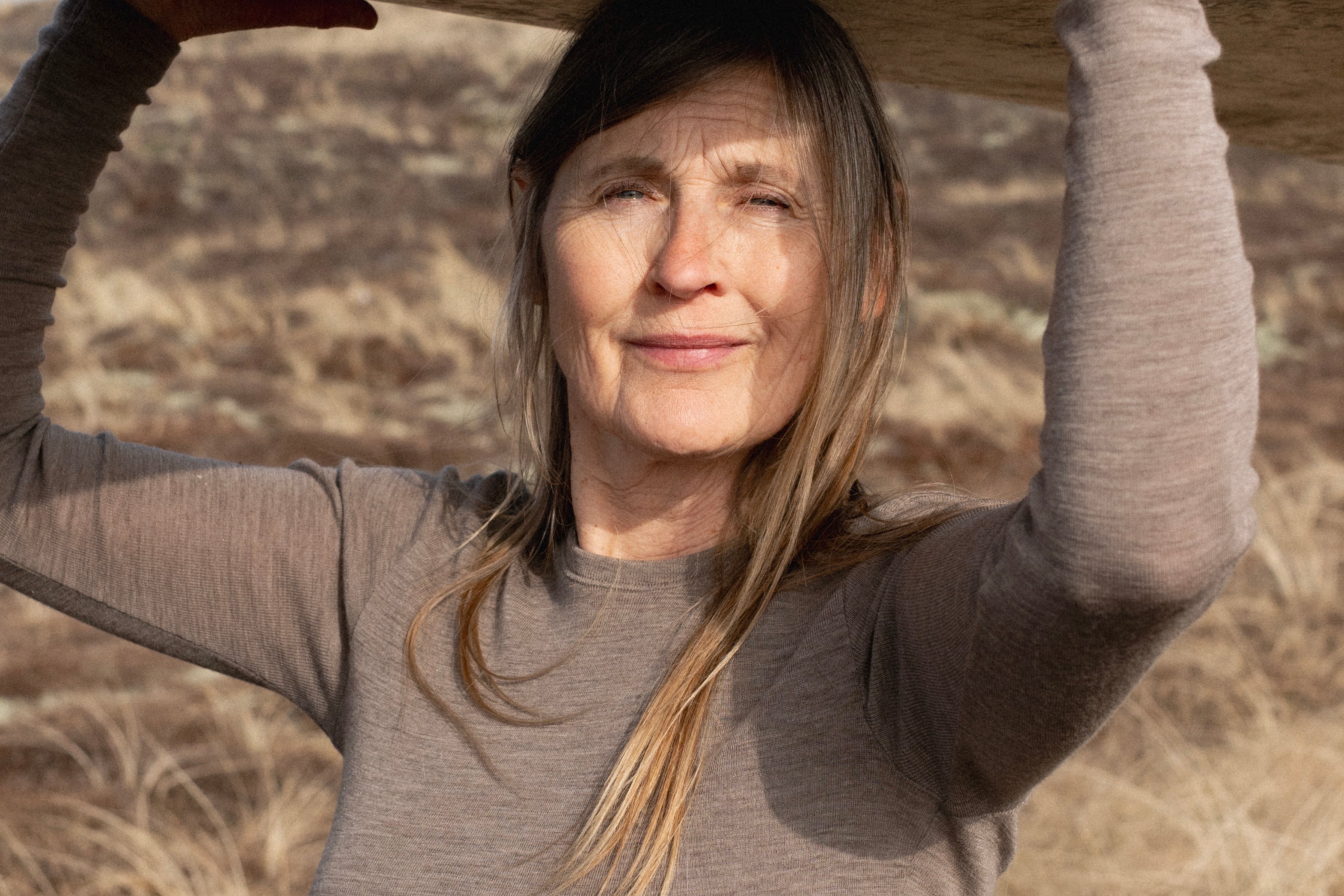
The sea and the light draw me in. I’m probably more of a summer surfer – it’s the ultimate freedom for me. When it’s summer and I can have bare feet and be one with the elements. In the water. On the water. By the water. I feel so alive when I’m out there, and I’ve had so many powerful experiences there.
Susanne
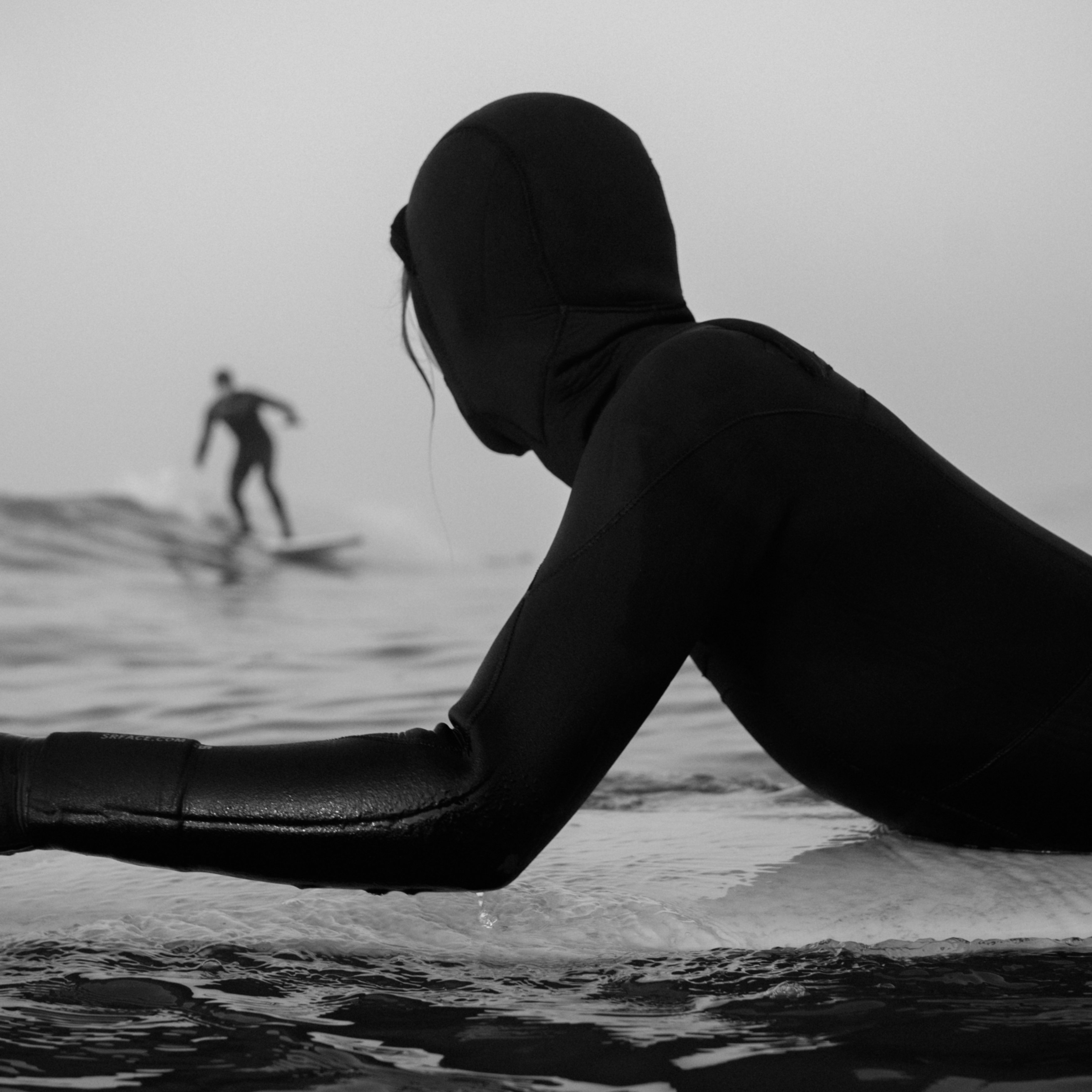
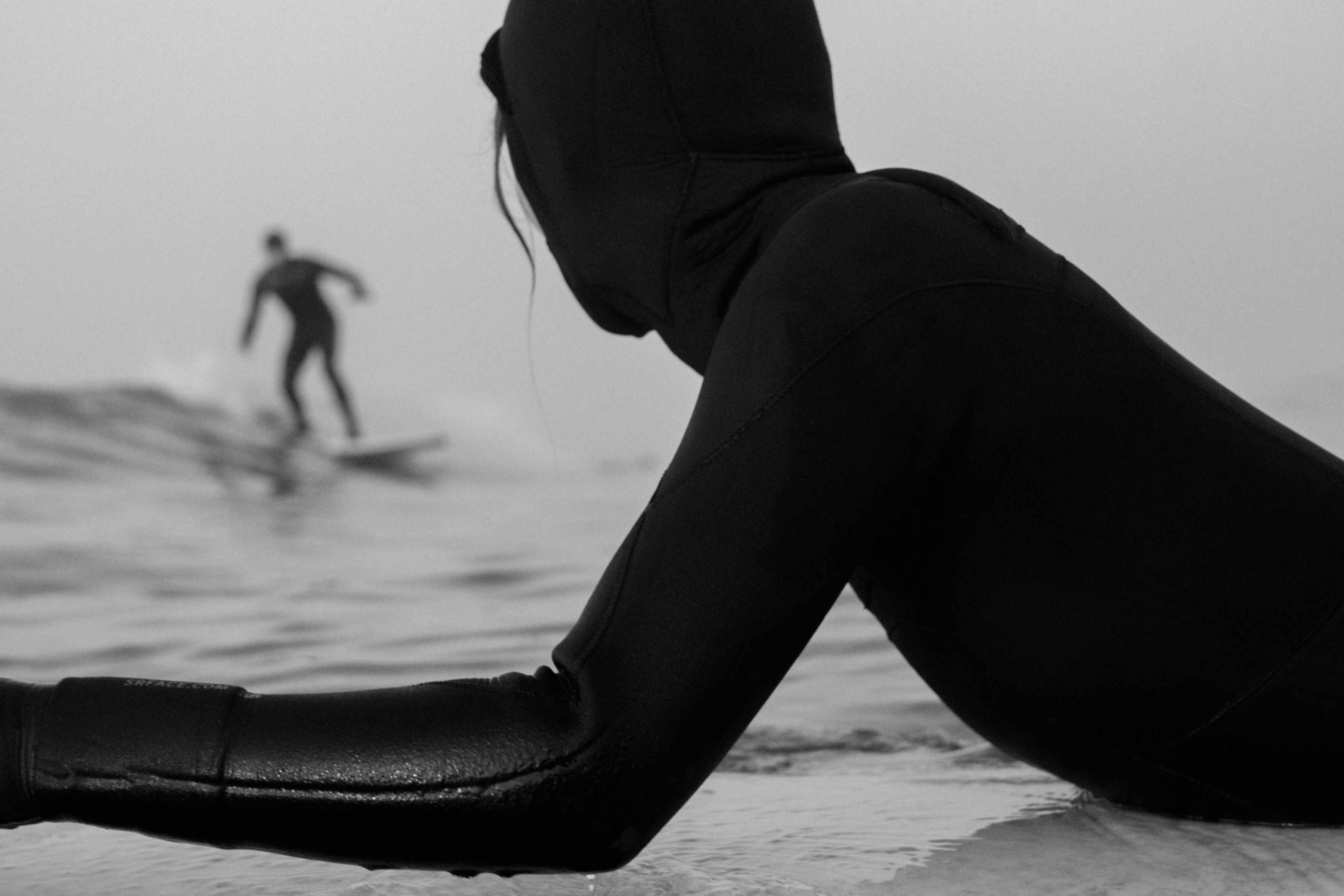
How do you keep warm by the water?
Paula: In the water, I wear a good, warm wetsuit – depending on the season. Before and after, I just want comfortable, warm clothing that helps me warm up again after a cold session in the water.
Annika: When it’s cold, I wear wool underwear under my one-piece so I can warm up a little before going into the water. I wear the same afterwards. The wool keeps me warm, so I only need a thin layer under my clothing.
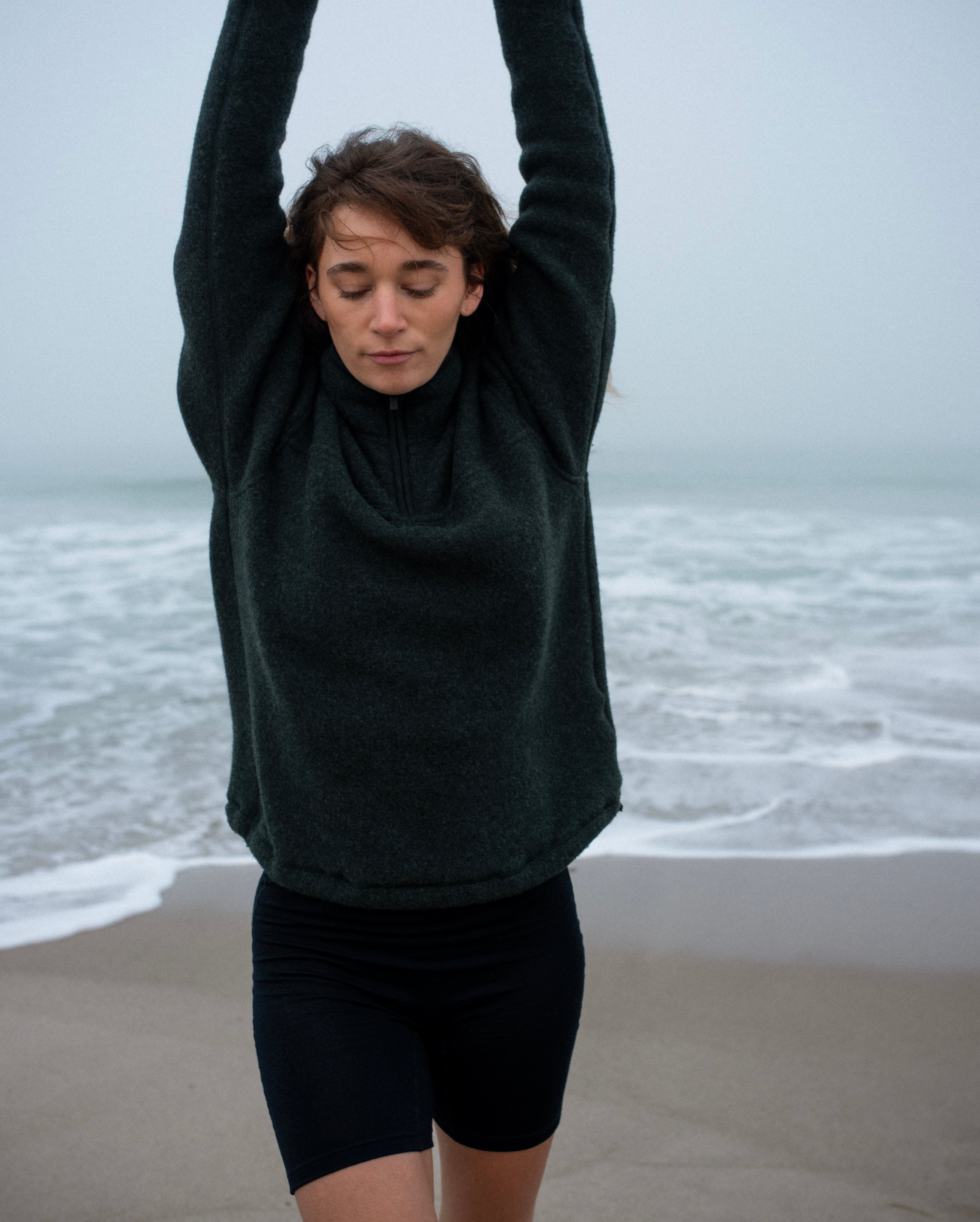
Why choose wool after a session in the water?

Keeps you warm

Absorbs moisture from the skin

Lightweight and breathable